CENTCOM said it will block all traffic 'entering and exiting Iranian ports.'
President Donald Trump announced "major combat operations" against Iran on Feb. 28, with massive joint U.S.-Israeli strikes targeting military and government sites.
Trump set a deadline for Iran to fully reopen the Strait of Hormuz or face broad strikes on its critical infrastructure. Hours before the deadline expired, Trump said he had agreed to suspend planned bombing for two weeks if Iran agreed to reopen the Strait of Hormuz.
But subsequent U.S.-Iran talks in Pakistan failed to reach a peace deal. Trump said that Iran's nuclear program was the key sticking point, and said the U.S. would respond with a blockade of the Strait of Hormuz starting at 10 a.m. ET on Monday.
Israel, meanwhile, has continued ground operations and intense strikes in Lebanon, where it is engaged with the Iran-backed Hezbollah militia. Israeli Prime Minister Benjamin Netanyahu said he supported the ceasefire with Iran, but that Lebanon was not covered by the agreement, despite Iranian protests.
The price of oil again climbed on Monday, after the United States said it would begin a blockade of the Strait of Hormuz.
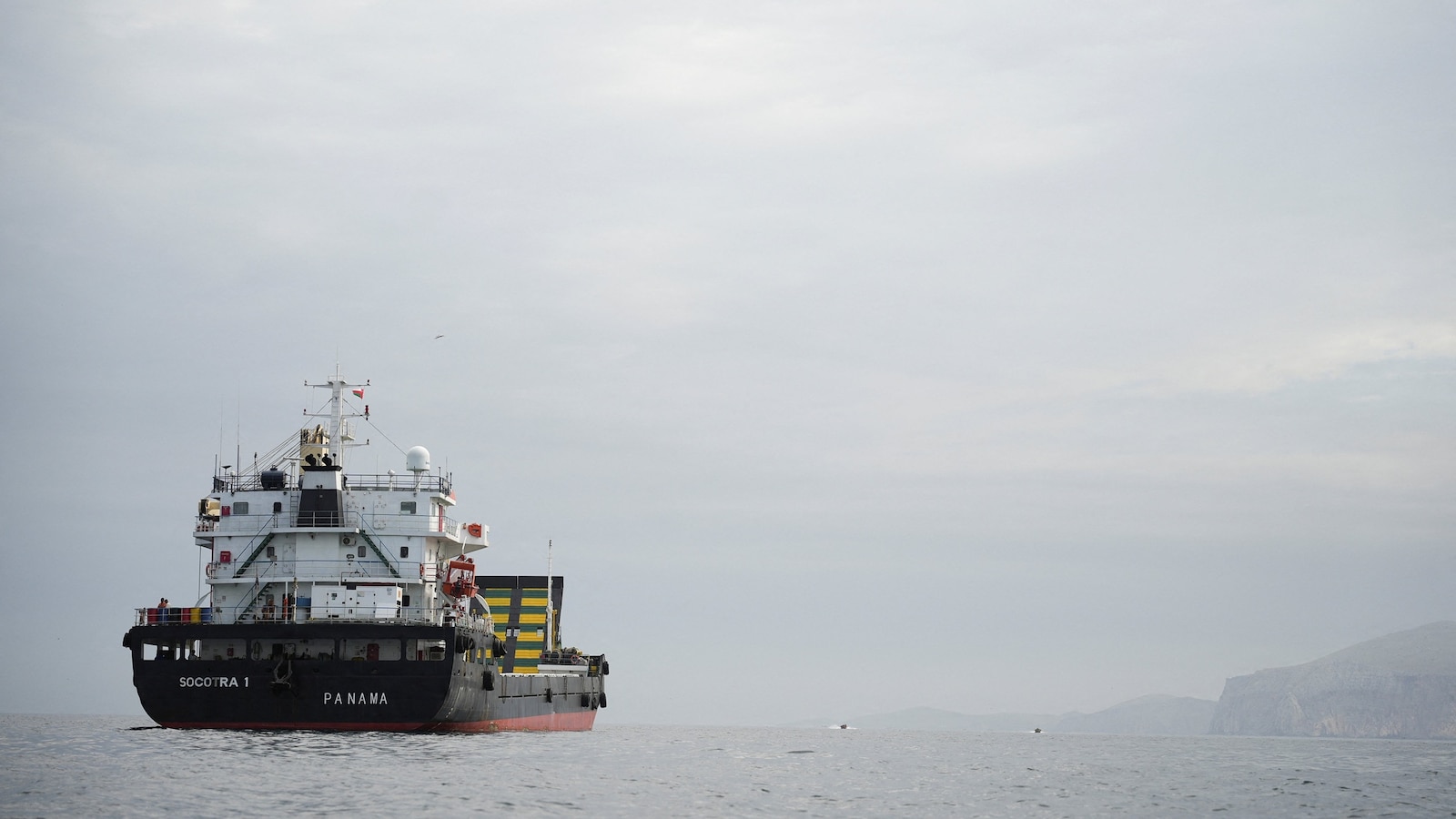
The blockade -- which was expected to begin at 10 a.m. ET, according to U.S. Central Command -- appeared poised to continue the disruption of the vital maritime passageway off the southern Iranian coast, through which some 20% of the world’s oil supply is shipped.
Brent crude oil prices, a benchmark for global trading, climbed about 8% by 5 a.m. ET on Monday. It traded at more than $102 a barrel for deliveries in June.
U.S. crude prices for May contracts also advanced about 8% in early trading, climbing to about $103 per barrel.
Chinese Foreign Ministry spokesperson Guo Jiakun told reporters on Monday that Beijing hopes all warring parties "maintain calm and restraint" following the apparent collapse of U.S.-Iran peace talks over the weekend.
"China hopes that the relevant parties will strictly observe the temporary ceasefire arrangements, adhere to resolving disputes through political and diplomatic channels, avoid a resumption of hostilities and create conditions for the early restoration of peace and tranquility in the Gulf region," Guo said.
"The root cause of any disruption to navigation in the Strait lies in the conflict involving Iran, Guo said. "The way to resolve this issue is to achieve a ceasefire as soon as possible; all parties involved must maintain calm and restraint. China stands ready to continue playing a positive and constructive role."
Asked about reports that China is allowing Chinese weapons firms to send arms to Iran, Guo replied, "China has consistently adopted a prudent and responsible attitude toward arms exports, implementing strict controls in accordance with its domestic export control laws and regulations, as well as its international obligations. We oppose baseless smears and malicious insinuations."
The spokesperson for Iran's joint military command at Khatam al-Anbiya Central Headquarters said Monday that if the security of Iranian ports in the Persian Gulf and the Sea of Oman is threatened, "no port in the Persian Gulf and the Sea of Oman will be safe."
"Enemy-affiliated" vessels will not have the right to pass through the Strait of Hormuz, while other vessels will continue to be allowed transit "in accordance with the regulations of the Islamic Republic of Iran's armed forces," the spokesperson said, as quoted by Iran's state television Telegram channel.
"Given the continued threats," he said, the Islamic Republic will also implement "a permanent mechanism" to control the Strait of Hormuz, even after the war.
Iranian Foreign Minister Abbas Araghchi said in a post to X on Sunday night that the U.S. and Iran were "inches away" from a memorandum of understanding in talks in Islamabad at the weekend.
Talks collapsed after Iran "encountered maximalism, shifting goalposts and blockade," Araghchi alleged. "Zero lessons learned," he added.
"In intensive talks at highest level in 47 years, Iran engaged with U.S in good faith to end war," the foreign minister wrote. "Good will begets good will. Enmity begets enmity."